Understanding the Importance of Comfort in the Workplace
In today’s fast-paced work environment, where many individuals spend long hours at their desks, the significance of comfort cannot be overstated. Prolonged periods of sitting without adequate support can lead to various physical ailments, including back pain, neck stiffness, and poor posture. These issues often arise when an ergonomic workspace is not prioritized, resulting in discomfort that can hinder productivity and focus.
Research indicates that discomfort during work hours adversely affects not only physical health but also mental well-being. When employees experience chronic pain or physical discomfort, their ability to concentrate diminishes, leading to decreased efficiency. Furthermore, prolonged discomfort can contribute to increased stress levels, anxiety, and overall dissatisfaction with one’s work environment. It is crucial for individuals and employers alike to recognize the vital role that comfort plays in enhancing employee morale and maintaining high productivity levels.
One effective way to address these concerns is by investing in ergonomic solutions, such as specialized seat cushions. Memory foam seat cushions have gained considerable popularity due to their ability to provide optimal support and comfort. By conforming to the body’s natural shape, these cushions alleviate pressure points, thereby promoting proper spinal alignment. This not only enhances comfort but can also help mitigate the risk of developing musculoskeletal disorders caused by poor sitting posture.
In summary, prioritizing comfort in the workplace is essential for fostering a healthier and more productive work environment. By adopting ergonomic solutions, such as memory foam seat cushions, employees can significantly improve their physical and mental well-being, leading to better overall performance and satisfaction at work.
The Science Behind Memory Foam Technology
Memory foam, also known as viscoelastic foam, is a material that was originally developed by NASA in the 1960s for use in aircraft seats. Its unique properties stem from its ability to respond to the body’s heat and pressure. When you sit on a memory foam cushion, it begins to soften and conform to the contours of your body, providing personalized support that enhances comfort.
This characteristic is primarily due to the foam’s viscoelastic nature, which allows it to react to weight and temperature. As the temperature rises, the foam becomes more pliable, creating a customized fit that alleviates pressure points. This is particularly beneficial in seating applications, where prolonged periods of sitting can lead to discomfort and pain. By distributing weight evenly across the surface, memory foam reduces the stress on specific areas, such as the hips and lower back, thereby promoting better posture.
In addition to contouring to the body, memory foam also has excellent shock-absorbing properties. This helps to minimize impact on the spine and joints, allowing for a more comfortable sitting experience over extended durations. The material’s ability to retain its shape after compression means that it continues to provide support without losing its effectiveness over time. This durability, combined with its comfort-enhancing properties, makes memory foam an ideal choice for people who spend long hours at their desks.
Moreover, many modern memory foam cushions are infused with cooling gels or breathable fabrics that help regulate temperature while sitting. This helps to prevent the heat retention that can sometimes occur with traditional foam, contributing to a more comfortable seating environment.
Why Doctors Recommend Memory Foam Seat Cushions
Healthcare professionals increasingly advocate for the use of memory foam seat cushions due to their significant benefits in preventing health issues linked to prolonged sitting. Medical experts emphasize that these cushions are designed to provide optimal support and encourage proper posture, which is vital for maintaining spinal health.
Dr. Emily Johnson, a chiropractor specializing in ergonomics, states, “The unique properties of memory foam allow for personalized comfort, enabling it to conform to the shape of the individual’s body. This adaptability not only offers relief from discomfort but also promotes better alignment of the spine, which is crucial for patients who spend long hours sitting.” Such endorsements highlight the essential role of these cushions in supporting a healthier sitting posture.
One of the primary advantages of memory foam seat cushions is their ability to alleviate back pain. Many individuals suffer from chronic pain due to inadequate support while seated. As Dr. Michael Smith, a physiotherapist, explains, “By using a memory foam cushion, patients can experience improved weight distribution across the seating surface, significantly reducing pressure points that contribute to pain and discomfort. This cushioning aids in relieving tension in the lower back, ultimately enhancing overall wellness.”
Furthermore, memory foam cushions can enhance blood circulation, making them particularly beneficial for people experiencing numbness or discomfort in their legs. Dr. Sarah Collins, a specialist in orthopedic medicine, notes, “Improved circulation not only prevents potential circulatory issues but also aids in maintaining energy levels during prolonged periods of sitting.” The supportive nature of these cushions contributes to a more comfortable experience, encouraging individuals to remain active and engaged throughout their daily tasks.
In summary, the endorsement from healthcare professionals underscores the importance of incorporating memory foam seat cushions into daily routines. Their ability to alleviate pain, improve circulation, and support spinal health makes them a recommended investment for anyone seeking comfort and relief while sitting.
Choosing the Right Memory Foam Seat Cushion for You
Selecting the ideal memory foam seat cushion involves several crucial factors that can greatly influence your comfort and overall satisfaction. First and foremost, consider the density of the foam. A higher density foam typically provides better support, adapts more effectively to body contours, and contributes to improved pressure relief. However, it’s important to balance this with firmness; a cushion that is too firm could lead to discomfort during prolonged use.
Size is another essential consideration. Memory foam seat cushions come in various dimensions, and selecting the right one depends on your seating arrangement and personal preferences. Make sure to measure your seat and choose a cushion that fits well without excessive overhang, as this can affect stability and comfort.
In addition to density, firmness, and size, it is beneficial to explore extra features when choosing a memory foam seat cushion. Options such as washable covers are particularly advantageous, as they promote hygiene and easy maintenance. Additionally, cushions with cooling technology can significantly enhance comfort, particularly for those who find themselves sitting for extended periods in warm environments.
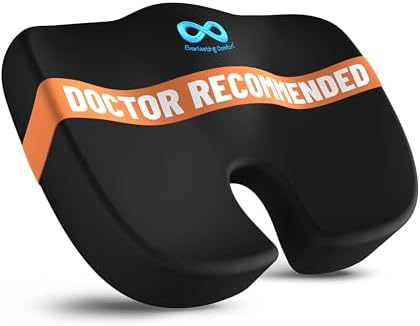
- Multi-use Seat Cushions & Low Profile Design: Our Foam Seat Cushion Fits Common Office Chairs, Desks, Car Seats, Airplan…
- DOCTOR RECOMMENDED SUPPORT & COMFORT: Watch our video endorsement to hear why experts recommend this product; Our memory…
- SOFT & BREATHABLE COVER: Our car seat cushion for long driving features a machine-washable, breathable cover that is eas…
As an Amazon Associate, I earn from qualifying purchases. This means that if you click on a link and make a purchase, I may receive a small commission at no extra cost to you.